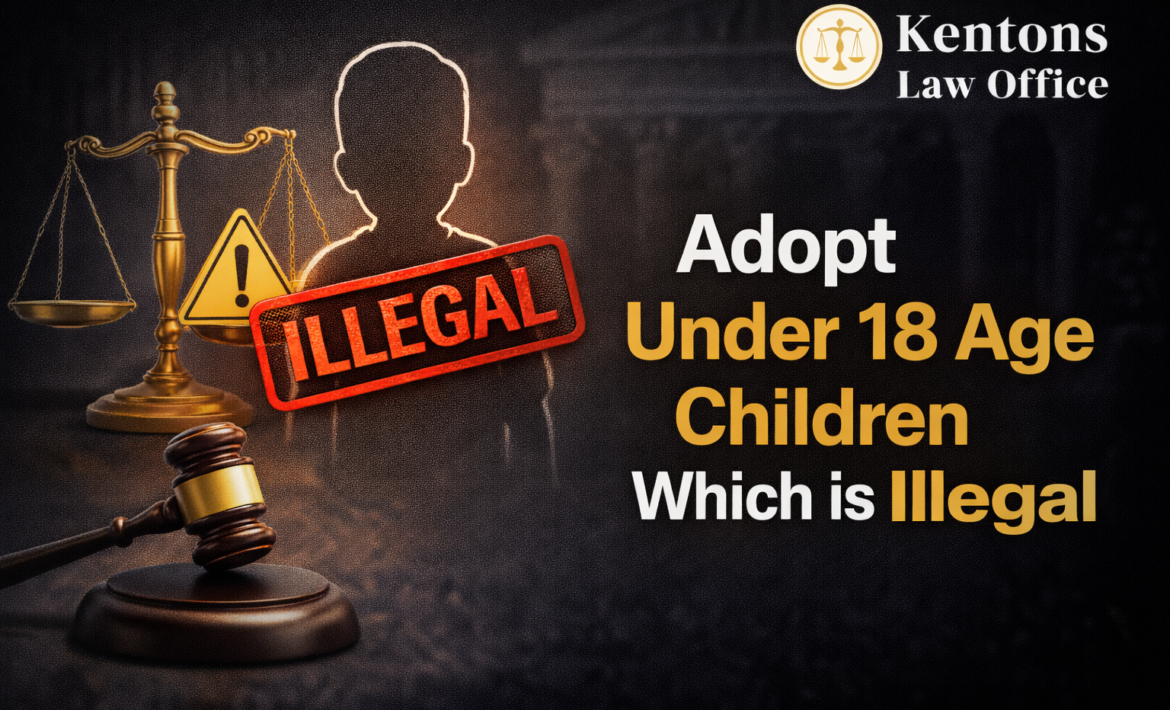

You may hear claims that adopting under 18 age children is illegal, and that confusion often stops families from learning the truth. The law around adoption is strict, detailed, and designed to protect children, not to block caring families.
When you understand why adopting under 18 age children is illegal in certain situations, you gain clarity on what is lawful, what is prohibited, and how to proceed correctly without risk.
Understanding the Meaning Behind Adopt Under 18 Age Children Which Is Illegal
You often see the phrase adopt under 18 age children which is illegal used online, but it is usually misunderstood. Adoption itself almost always involves children under 18, yet the illegality arises when legal procedures are ignored or age rules are violated. The law focuses on how the adoption happens, who completes it, and whether proper court approval exists.
When adoption occurs without consent, court orders, or statutory compliance, it becomes illegal even if the child is under 18. This distinction matters because lawful adoption protects your rights and the child’s future stability. Understanding this difference prevents you from relying on myths that cause unnecessary fear.
In many jurisdictions, over 90 percent of legal adoptions involve minors under 18, according to child welfare statistics. The illegality comes from bypassing safeguards, not from the child’s age alone. This is why clarity is essential before taking any step.
Why the Law Strictly Regulates Adoption of Minors
Adoption laws exist to protect children from trafficking, coercion, and exploitation. When you see cases labeled adopt under 18 age children which is illegal, it often means the adoption bypassed required protections. Courts require oversight to ensure the child’s best interests remain central.
Strict regulation ensures biological parents provide informed consent or that parental rights are lawfully terminated. Without this, children could be transferred without safeguards, which historically led to abuse and forced separations. The law responds to these risks with firm requirements.
Globally, international organizations report that child trafficking affects thousands annually, which is why adoption laws are so detailed. These safeguards are not obstacles but protective measures. When followed correctly, adoption of minors is lawful and encouraged.
Age Requirements for Adoptive Parents and Children
You may assume the child’s age alone makes adoption illegal, but that is inaccurate. Most laws allow adoption of children under 18 while setting age limits for adoptive parents. These limits vary by state and by adoption type.
Some states require adoptive parents to be at least 18, while others set the minimum at 21 or 25. Many jurisdictions also require an age gap between you and the child, such as ten or fifteen years. These rules aim to ensure maturity and stability.
It is important to understand how difficult it is to adopt a baby in the United States. Furthermore, understanding age rules within this framework prevents misunderstandings. However, the focus is always on a lawful process, not banning adoption of minors.
Situations Where Adopting a Minor Becomes Illegal
Adopting a child under 18 becomes illegal when legal custody is transferred without court approval. Private agreements, informal guardianship, or payments outside approved channels can all trigger illegality. Even good intentions do not excuse violations.
Another illegal scenario involves falsifying documents or misrepresenting parental consent. Courts require verified records, background checks, and transparent processes. Any attempt to bypass these steps risks criminal penalties.
Illegal adoption may also occur when international rules are ignored. Hague Convention countries require strict compliance, and failure to follow them can invalidate the adoption. These violations harm both the child and adoptive parents long term.
Domestic Adoption Laws and Child Protection Rules
Domestic adoption laws are state specific, yet they share common principles. You must file petitions, complete home studies, and attend hearings. When any of these steps are skipped, the adoption may be deemed illegal.
Courts oversee domestic adoption to confirm the child’s safety and stability. This includes criminal background checks and financial assessments. These steps protect children from unsafe placements.
International Adoption and Immigration Law Risks
International adoption introduces additional legal layers that increase risk if mishandled. You must comply with both U.S. immigration law and the child’s country of origin laws. Failure on either side can invalidate the adoption.
Immigration authorities require proof of legal adoption, custody, and residence. If these elements are missing, the child may be denied entry or status. This is where many illegal adoption cases emerge.
Internationally, age limits are also imposed by foreign governments. Some countries restrict adoption to parents within certain age ranges. Ignoring these rules makes the adoption unlawful regardless of intent.
Consequences of Illegal Adoption Involving Minors
Illegal adoption carries serious civil and criminal consequences. You may face fines, loss of custody, or even imprisonment depending on the violation. The child may be removed from your care despite emotional bonds formed.
Courts prioritize correcting illegal placements to protect children. This can result in years of legal battles and trauma. These outcomes highlight why legality matters from the beginning.
Statistics show that improper adoption practices lead to prolonged foster care placements for affected children. This instability harms development and emotional health. Following the law avoids these devastating consequences.
Lawful Alternatives When Adoption Is Not Immediately Possible
If adoption is not legally available, lawful alternatives exist. Guardianship, foster care, and kinship care allow you to support a child under court supervision. These options protect both you and the child.
Guardianship does not terminate parental rights but provides legal authority to care for the child. Foster care involves state oversight and potential pathways to adoption. Both options are lawful and structured.
Understanding related family law procedures can be helpful, similar to when it’s your first time going to court. Knowing what to expect reduces anxiety and errors. These lawful paths keep you compliant while helping a child in need.
How to Ensure Your Adoption of a Minor Is Legal
You protect yourself by working with licensed agencies and qualified attorneys. They guide you through petitions, home studies, and hearings. Professional guidance prevents costly mistakes.
Always verify consent, documentation, and court approvals. Never rely on informal arrangements or verbal agreements. Written, court sanctioned processes are essential.
When you follow the law, adopting a child under 18 is not illegal. It becomes a protected, permanent relationship recognized by the court. This legal certainty benefits everyone involved.
Conclusion
You now understand that adopting under 18 age children which is illegal is a phrase rooted in misunderstanding, not absolute truth. Adoption of minors is lawful when conducted through proper legal channels and illegal only when safeguards are ignored.
By respecting age requirements, court procedures, and child protection laws, you ensure stability, legality, and safety for the child and yourself, while avoiding severe legal consequences and emotional harm.
Frequently Asked Questions
Is it illegal to adopt a child under 18 years old
Adopting a child under 18 is not automatically illegal. It becomes illegal only when adoption laws are ignored, court approval is missing, or consent requirements are violated. Legal adoption of minors is common when all state, federal, and procedural rules are followed correctly.
Why do people say adopting under 18 age children is illegal
This confusion comes from misunderstanding adoption laws. Many people confuse illegal adoption practices with the age of the child. The law restricts unlawful transfers of custody, not the adoption of minors completed through licensed agencies and court supervised processes.
What makes an adoption of a minor illegal
An adoption becomes illegal if it occurs without court approval, valid parental consent, proper documentation, or compliance with state and federal laws. Private agreements, payments outside legal channels, or falsified records can invalidate an adoption and lead to serious penalties.
Are there age limits for adoptive parents
Yes, most states require adoptive parents to meet minimum age requirements, usually between 18 and 25 years old. Some states also require a specific age gap between you and the child to ensure maturity, stability, and the child’s long term welfare.
Can you adopt a child under 18 without an agency
In limited cases, such as stepparent or relative adoptions, you may adopt without a private agency. However, court involvement is still mandatory. Any adoption completed without judicial oversight or legal filings risks being classified as illegal and unenforceable.
Is international adoption of minors more restricted
International adoption involves stricter rules because you must follow U.S. immigration law and the child’s home country laws. Ignoring Hague Convention requirements or foreign age restrictions can make an otherwise valid adoption illegal and prevent the child from entering the country.
What happens if an adoption is declared illegal
If an adoption is ruled illegal, courts may revoke custody, impose fines, or pursue criminal charges. The child may be removed from your care and placed elsewhere. These outcomes highlight why following lawful procedures from the beginning is essential.
Are foster care and guardianship legal alternatives
Yes, foster care and guardianship are lawful alternatives when adoption is not immediately possible. These arrangements allow you to care for a child under court supervision while maintaining legal compliance and protecting the child’s safety and future stability.
Does the child’s age affect adoption legality
The child’s age alone does not make adoption illegal. Most adoptions involve children under 18. Legality depends on proper consent, court approval, and compliance with adoption statutes, not simply on whether the child is a minor.
How can you ensure your adoption of a minor is legal
You ensure legality by working with licensed professionals, completing required home studies, obtaining court approval, and following all state and federal laws. Avoid informal arrangements and always document every step to protect your rights and the child’s future.